Archive Page 38

Photography Link Roundup

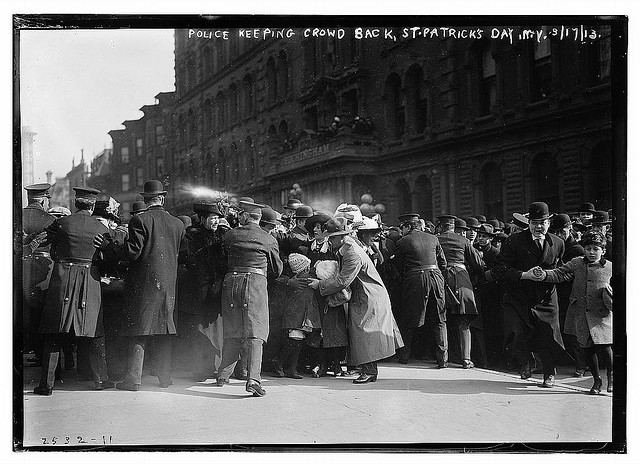
St. Patrick’s Day Parade, New York 1913  Photo: The Library of Congress

•  Elisabeth Biondi, The New Yorker’s photo editor, is leaving her post, so as a send-off the magazine asked nine photographers she’s worked with for their thoughts on images they worked closely on. [New Yorker]

•  A roundup of some of the best images from the AIPAD Photography Show in New York, including contemporary and vintage shots — and one striking portrait of Chairman Mao. [Flavorwire]

•  Four New York Times journalists, including two photographers, have been missing in Libya since Tuesday. You can hear one of those photographers, Lynsey Addario, speak about her work in conflict zones from a Daily Beast discussion last week.  [The Daily Beast

•  Photographer Bob Gruen explains his best shot — of Debbie Harry and Iggy Pop circa 1977. [Guardian]

•  Up until now, Amish gun owners in Illinois haven’t had to have photos on their permit cards because of their religious beliefs, but a new policy would force them to comply. Many Amish use their rifles for hunting food, so now they’re faced with giving up a source of food or disobeying their religious teachings. I say c’mon, these people already live so apart from American society — allow them to follow their religion. That’s what America’s about.  [Mattoon Journal Gazette]

10 Lessons

Photo by jenny_steeves

Rarely do I find these “rules for life” type things that I think are actually worthy of following. But design blogger Edwin Negado asked the reposted these 10 lessons for young designers from executive creative director of ad agency Weiden+Kennedy, John C. Jay, and I think he’s onto something. And I think they apply not only to photographers, but life in general.

1: Be authentic. The most powerful asset you have is your individuality, what makes you unique. It’s time to stop listening to others on what you should do.
2: Work harder than anyone else and you will always benefit from the effort.
3: Get off the computer and connect with real people and culture. Life is visceral.
4: Constantly improve your craft. Make things with your hands. Innovation in thinking is not enough.
5: Travel as much as you can. It is a humbling and inspiring experience to learn just how much you don’t know.
6: Being original is still king, especially in this tech-driven, group-grope world.
7: Try not to work for stupid people or you’ll soon become one of them.
8: Instinct and intuition are all-powerful. Learn to trust them.
9: The Golden Rule actually works. Do good.
10: If all else fails, No. 2 is the greatest competitive advantage of any career.

Source: Edwin Himself

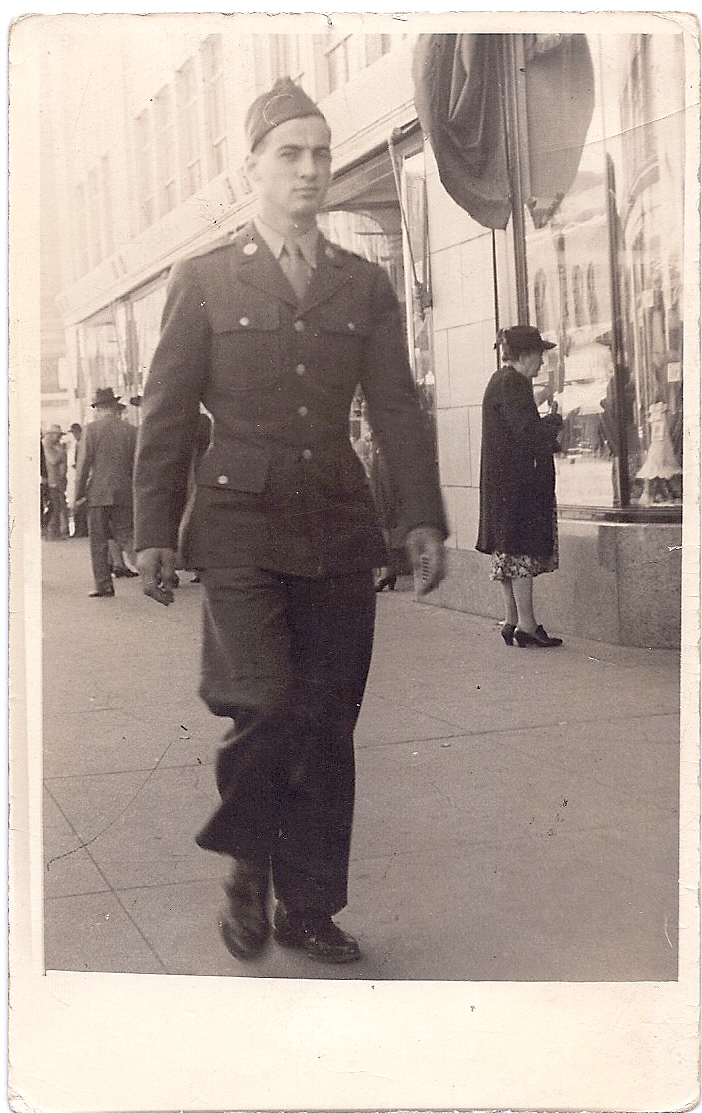
George F. Hall 1921-2011

Spy Cams Reveal Wild Stuff

Photo: siwild

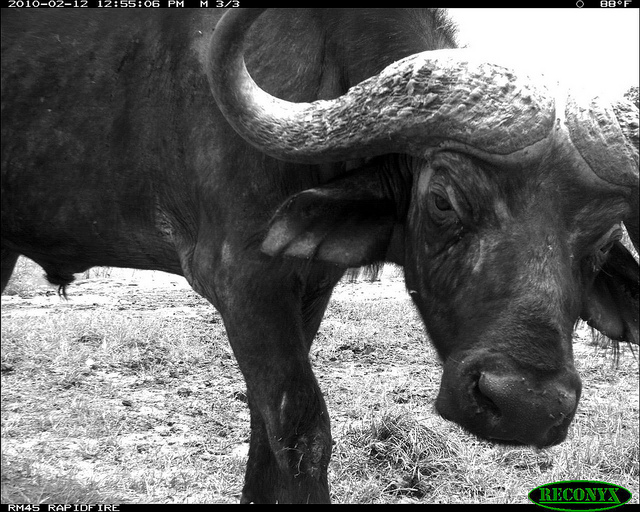
The Smithsonian Wild project is the result of five years of surreptitious photographs of animals in their natural habitats. Using motion-triggered cameras that are attached to trees or posts all over the world, they collected 201,000 images, so now you can see all these rare and unusual animals up close: the South American tapir in the Peruvian Amazon, giant pandas in China, the African lion in Kenya.

As William McShea, co-leader of the project, told Wired:

“Many animals leave virtually no sign of their existence, so camera traps are just a godsend for people like me. … It’s much better than looking at a handful of feces and wondering what dropped it. These images are like museum-quality specimens with collection dates, locations, species names and other veracious metadata.”

In a similar vein, “60 Minutes” recently aired a segment on British filmmaker John Downer, whose ground-breaking spy cams have captured hard-to-track animals — most recently the polar bear in the Arctic Circle. Because the cameras look like snowballs, they blend into the terrain and the bears are shown behaving as they would when they are totally alone.

You don’t have to be nutso for animals to be pretty awed by these.

20th Century Criminals, With Flair

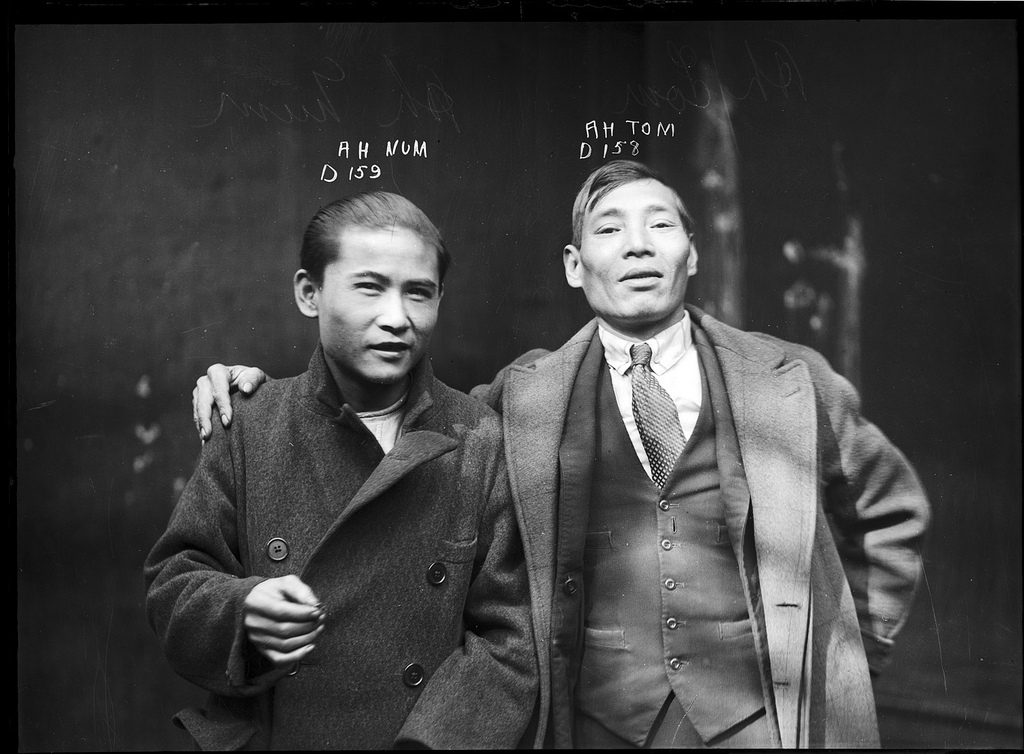
Between 1910 and 1930, Australian authorities photographed the criminals, and suspected criminals, that passed through Sydney’s Central Police Station. Instead of stark and simple mug shots, the result is a collection of intense, engrossing portraits of the city’s underground crime scene.

Author Peter Doyle spent hours immersed in the forensic photography archive at the Justice & Police Museum in Sydney to compile the images that make up his book, “Crooks Like Us.” It’s not nice to romanticize these people, who were notable drug dealers, thieves, prostitutes and cons, but they’re a pretty cool-looking set, truth be told. Those that aren’t downright suave and stylish are at least quirky and interesting. (Contrast these to the modern criminal, and well, you see what I mean.)

(via Boing Boing)

World’s Smallest Video Camera

Photo: Fraunhofer

The German research firm Fraunhofer has developed the world’s smallest digital video camera — intended for use for exploration within the human body. The new endoscope, which is the size of a grain of salt and has a resolution of 62,500 pixels, is the first of its kind that can be reproduced inexpensively and is disposable. The invention will have a myriad of applications in the medical and research fields, but just imagine the possibilities in surveillance…. 

Source: Gizmag

discarted

Devastation

Photo: NOAA

There are some insane photos of the destruction in Japan from the massive earthquake and tsunami at The Atlantic.

The Big Picture also has a collection here.

discarted

Is Lady Gaga A Copyright Bully?

Normally I’m all for multi-millionaire celebrities trying to protect what’s rightfully theirs, except in the case when it’s not theirs.

In a move that signals crushing amounts of hubris, Lady Gaga is demanding that photographers sign over the copyright to images taken at her concerts so that she owns them all.

Rolling Stone writes: “This an especially bold demand as the government has established that copyright exists the moment when a work is created, which in this case is the moment when a photographer clicks their shutter button.”

If this is attempt to control her image, it seems totally futile considering everyone has a cell phone camera these days. If it’s an effort to make more money, well, she made $64 million last year and was on the Forbes list as the fourth richest woman in Hollywood, so that’s just greedy.

As concert photographer and intellectual property lawyer David Atlas told Rolling Stone:

“Typically the person who has the least leverage gets the worst release,” Atlas says. “Maybe there’s a photographer that she likes who won’t have to sign the release form, but the people who get paid $125 to hang out for four hours at a concert have to sign this release. So on top of getting paid very little, they have no ongoing revenue stream from these photos whatsoever.”


Spam Blocked